Tuesday, October 20, 2026 09:03 PM

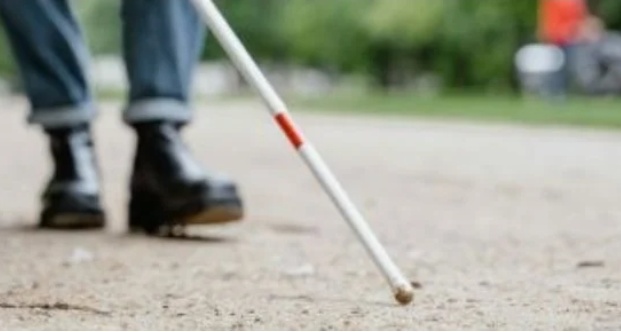
New scientific research is exploring potential ways to restore some visual function in people affected by certain retinal diseases. Researchers are investigating gene therapy, stem cells, optogenetics, retinal implants, and electrical stimulation to address damage to the visual system.
A report published by Futurity highlighted developments in this field, alongside a scientific review published in *Progress in Retinal and Eye Research* in July 2026, which examined several approaches to vision restoration.
The retina plays a vital role in vision by converting light into electrical signals that travel through the optic nerve to the brain. Some degenerative retinal diseases destroy light-sensitive cells, making vision restoration particularly challenging.
Gene therapy aims to address specific genetic defects associated with certain inherited eye conditions, while stem-cell research is investigating whether damaged retinal cells can be repaired or replaced.
Another approach, known as optogenetics, seeks to make selected retinal cells respond to light after the original light-sensitive cells have stopped functioning. Retinal implants and electrical stimulation are also being studied as ways to activate remaining neural pathways and improve visual perception.
However, these technologies have different levels of clinical evidence, and many remain under investigation. Their effectiveness depends on the underlying condition, the extent of damage, and the patient's individual circumstances.
Although these developments offer promising research directions, there is currently no single treatment capable of fully restoring vision for every person with retinal or optic nerve disease. Further research is needed to establish the safety, effectiveness, and practical limitations of emerging treatments.
اليوم الثامن مصدرك الاول لأخبار مصر العاجلة والحوادث والبرلمان وأسعار الأسواق تابع أخبار المحافظات والاسلاميات والمقالات لحظة بلحظة
© AD Brand. All Rights Reserved. Designed by Adbrand Agency
 حسين ابو العلا