Thursday, November 26, 2026 03:19 PM

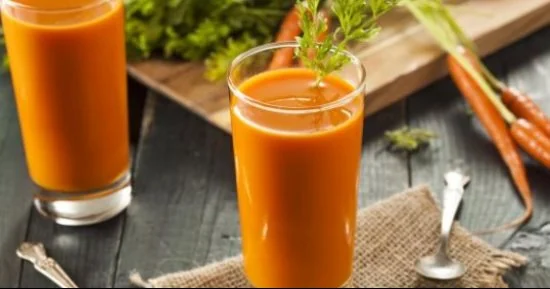
Carrots for a Natural Tan? What Experts Say
Thursday, November 26, 2026 – 1:00 AM
A new beauty trend has been gaining attention on social media, with people eating large amounts of carrots, tomatoes and shrimp in an attempt to achieve a natural bronze tan that lasts throughout the winter.
According to Fox News, the trend relies on carotenoids, natural pigments found in certain foods that can affect skin color when consumed in large quantities.
The Link Between Food and Skin Color
Carotenoids include beta-carotene, lycopene and astaxanthin, compounds responsible for the colors of foods such as carrots, tomatoes, shrimp and salmon.
Some health influencers are promoting raw carrots as a way to achieve what they call a carrot tan. Others say they take daily carotenoid supplements to maintain a healthy-looking glow.
Social Media Experiences
Health and wellness influencer Lee Tilghman Politis recently said on Instagram that raw carrots had given her what she described as her best skin.
Another influencer went viral on TikTok after claiming that eating three to four large carrots daily for several months gave her a tan, without using artificial tanning products or exposing herself to sunlight.
What Do Experts Say?
Experts explain that changes in skin color caused by carotenoid consumption are generally harmless, but they should not be confused with actual tanning.
Dr. Naveen Arora, a dermatologist, explained that beta-carotene, lycopene and astaxanthin are fat-soluble pigments that can accumulate in the outer layer of the skin when consumed in large quantities.
This accumulation may produce a yellow or orange tint, often first noticeable on the palms, soles of the feet and around the nose.
Arora said there is no established or guaranteed dose for achieving a cosmetic change. Small studies have found noticeable changes after approximately six weeks of increased fruit and vegetable consumption, although results vary.
The discoloration gradually fades after reducing intake.
This condition is known as carotenemia. While generally harmless, unexplained yellow-orange skin discoloration without dietary changes should be evaluated by a healthcare professional.
Benefits and Potential Risks
The food-based trend avoids the skin damage associated with ultraviolet radiation, which increases the risk of skin cancer and premature aging.
However, Arora stressed that carotenoid-related skin color does not cause ultraviolet damage, but it also provides no effective sun protection. A carrot-induced color is not a substitute for sunscreen.
He also warned against taking high-dose carotenoid supplements for cosmetic purposes.
A study cited by the National Institutes of Health Office of Dietary Supplements linked high-dose beta-carotene supplements to an increased risk of lung cancer among smokers and former smokers.
For people seeking a bronze appearance, Arora recommends self-tanning products, professional spray-tanning sessions, bronzers or tinted sunscreens.
He also advises using broad-spectrum sunscreen with an SPF of 30 or higher every day.
اليوم الثامن مصدرك الاول لأخبار مصر العاجلة والحوادث والبرلمان وأسعار الأسواق تابع أخبار المحافظات والاسلاميات والمقالات لحظة بلحظة
© AD Brand. All Rights Reserved. Designed by Adbrand Agency
 حسين ابو العلا