Thursday, November 26, 2026 03:19 PM

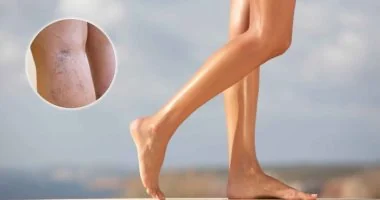
Varicose veins are no longer a condition associated only with older age. They can also affect young people, particularly those with a genetic predisposition or daily habits that may affect blood circulation and vein health.
According to a study published in the Journal of the Egyptian Public Health Association, several lifestyle factors were associated with a higher likelihood of varicose veins among participants, including prolonged standing, low fiber intake, irregular bowel movements, and inadequate water consumption.
1. Standing for long hours
Standing for extended periods without changing body position is associated with an increased risk of varicose veins. Gravity puts continuous pressure on the veins in the legs, making it harder for blood to return to the heart, especially when the calf muscles remain inactive.
2. Sitting for long periods
Sitting for extended periods, particularly while studying or using electronic devices, reduces the movement of the leg muscles that help blood circulate through the veins.
Although sitting alone has not been conclusively established as a direct cause of varicose veins in everyone, regularly changing position and avoiding prolonged inactivity can support circulation.
3. Not eating enough fiber
A diet low in fiber may lead to constipation and increased straining during bowel movements. Some studies have found an association between constipation, low fiber intake, and varicose veins, although this does not prove that constipation directly causes the condition.
Vegetables, fruits, legumes, and whole grains are important sources of dietary fiber.
4. Not drinking enough water
Insufficient fluid intake can cause dehydration and affect several body functions, including circulation. Studies have reported an association between low water consumption and varicose veins, but this does not establish dehydration as an independent cause.
Drinking water regularly according to individual needs, weather conditions, and activity levels supports overall health.
5. Irregular bowel movements and straining
Chronic constipation and repeated straining may increase pressure inside the abdomen, potentially affecting blood flow through the veins, particularly in people with weakened vein valves.
Eating fiber-rich foods, drinking enough water, and maintaining daily physical activity can help improve bowel regularity.
6. Lack of daily physical activity
Regular leg movement activates the calf muscles, which act as a pump to help push blood from the legs toward the heart.
Prolonged inactivity may reduce this muscle activity and contribute to feelings of heaviness in the legs, especially among people with other risk factors.
Why do young people develop varicose veins?
Varicose veins may appear at an early age because of several factors, including genetic predisposition, weakened vein valves, hormonal changes, and lifestyle habits that increase pressure on the veins or affect blood circulation.
Visible or twisted veins, leg heaviness, pain, and swelling, particularly after prolonged standing, are symptoms that deserve attention.
If these symptoms persist, medical evaluation is recommended to identify the underlying cause.
اليوم الثامن مصدرك الاول لأخبار مصر العاجلة والحوادث والبرلمان وأسعار الأسواق تابع أخبار المحافظات والاسلاميات والمقالات لحظة بلحظة
© AD Brand. All Rights Reserved. Designed by Adbrand Agency
 حسين ابو العلا