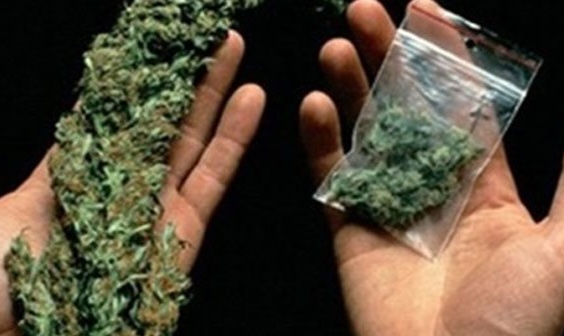
Traditional drugs are no longer the only major threat to youth. In recent years, synthetic drugs, led by Strox and Fudo, have become among the most widespread poisons among teenagers. Dealers market them as a "less dangerous alternative", while facts and medical reports confirm they are among the most dangerous substances that can destroy mind and body in a short time.
*From Curiosity to Addiction*
In many cases, use begins as an experiment out of curiosity or peer pressure. But this decision quickly turns into difficult-to-break addiction. Synthetic substances give a temporary feeling of euphoria, followed by psychological and physical dependence that makes the user constantly seek larger doses.
*Unknown Composition.. Unexpected Damage*
The danger of Strox and Fudo lies in their chemical composition constantly changing. They may contain toxic compounds or industrial materials, making the effect differ from one dose to another.
Medical reports indicate use can lead to: acute psychological disorders, hallucinations, loss of focus and memory, seizures, heart and nervous system disorders, and death from overdose or poisoning.
*How Do These Poisons Reach Youth?*
Dealers use multiple methods to lure victims, starting with friend circles and extending to social media and messaging apps, using misleading brand names to suggest these are less dangerous than traditional drugs.
Trafficking networks also constantly change drug components to evade security monitoring, increasing danger to users.
*Family is First Line of Defense*
Experts say continuous dialogue with children and noticing sudden changes in behavior, academic performance or mental state are key prevention methods.
Schools, universities and awareness institutions also play a role in spreading preventive culture to protect youth.
*Strict Penalties Against Drug Dealers*
The law imposes deterrent penalties for manufacturing, trafficking or promoting drugs, reaching life imprisonment or death penalty in some cases, especially if linked to criminal gangs or targeting youth, as part of state efforts to curb drug spread
اليوم الثامن مصدرك الاول لأخبار مصر العاجلة والحوادث والبرلمان وأسعار الأسواق تابع أخبار المحافظات والاسلاميات والمقالات لحظة بلحظة
© AD Brand. All Rights Reserved. Designed by Adbrand Agency
 Admin User