Wednesday, November 18, 2026 06:42 PM

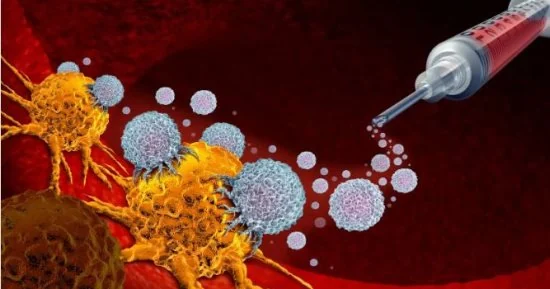
Researchers have developed a new light-based scientific tool that allows precise control over autophagy, a vital cellular process responsible for removing damaged proteins and recycling unwanted cell components.
The study, published in Nature Cell Biology, was conducted by researchers at the Salk Institute for Biological Studies in collaboration with the University of California, San Diego, and Sanford Burnham Prebys Medical Discovery Institute.
Autophagy acts as an internal recycling system that helps cells maintain their normal functions and respond to biological stress. Disruptions in this process have been linked to cancer, neurodegenerative diseases, infections, and aging.
The researchers developed a tool called ASAP, short for Autophagic SNARE for Abrupt Photomanipulation. It uses optogenetics, a technology that enables scientists to control biological processes using light.
The tool allows researchers to temporarily inhibit autophagy with precision and restore its activity afterward.
When tested in human cells in the laboratory, the tool successfully blocked autophagy and helped identify previously unknown targets, including nuclear pore complexes, which regulate the movement of materials between the nucleus and the rest of the cell.
The findings also revealed that autophagy helps maintain the quality of nuclear pores by removing components that have not been properly assembled.
The research could help scientists better understand how cells balance protein production and degradation, particularly in cancer cells that may adapt their metabolism when autophagy is inhibited.
The research team plans to use the technology to investigate cancer metabolism and the role of autophagy in neurodegenerative diseases and aging.
However, the tool is not currently a cancer treatment. Further studies, including animal research, are needed before its potential medical applications can be determined.
اليوم الثامن مصدرك الاول لأخبار مصر العاجلة والحوادث والبرلمان وأسعار الأسواق تابع أخبار المحافظات والاسلاميات والمقالات لحظة بلحظة
© AD Brand. All Rights Reserved. Designed by Adbrand Agency
 حسين ابو العلا