
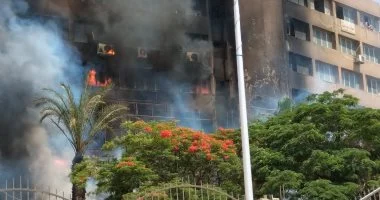
Steps to Follow If a Fire Breaks Out Inside a Residential Apartment
Thursday, September 3, 2026, 1:00 AM
The Civil Protection Department has issued a number of important safety guidelines that residents should follow if a fire breaks out inside a residential apartment, with the primary goal of protecting lives and minimizing injuries and losses.
Contact Civil Protection Immediately
Residents should immediately call 180, the designated Civil Protection emergency number, when a fire breaks out, rather than waiting to determine how to deal with the flames.
If the fire is small and just beginning, it may be possible to control it using an appropriate fire extinguisher, provided that doing so does not put anyone at risk.
Key Steps During an Apartment Fire
The main safety instructions include:
Shut off gas and electricity sources if this can be done safely.
Leave the apartment quickly once the fire begins spreading.
Never use the elevator during evacuation because of the possibility of power failure or elevator malfunction.
If the escape route requires passing through an area affected by flames, cover the body with a wet blanket or sheet and cover the mouth and nose with wet cloth to reduce smoke inhalation.
When evacuating a building during a fire, moving downward is generally safer when the route is clear, as heat and smoke rise.
If moving upward becomes necessary, head toward the building rooftop while staying away from rooftop walls and areas where smoke and heat may accumulate.
Do not leave burning wood or other burning materials inside the apartment before going to sleep.
Avoid prolonged use of heating devices and make sure electrical connections are safe and not overloaded.
Safety Comes First
The most important principle during a residential fire is to protect lives first. Residents should avoid unnecessary risks, contact Civil Protection immediately and never attempt to fight a large or rapidly spreading fire themselves.
Keywords
Apartment fire | Civil Protection | Emergency number 180 | Home fire safety | Fire prevention | Fire safety guidelines | Residential fires | Emergency evacuation
اليوم الثامن مصدرك الاول لأخبار مصر العاجلة والحوادث والبرلمان وأسعار الأسواق تابع أخبار المحافظات والاسلاميات والمقالات لحظة بلحظة
© AD Brand. All Rights Reserved. Designed by Adbrand Agency
 حسين ابو العلا