Tranding
Tuesday, September 08, 2026 09:42 AM

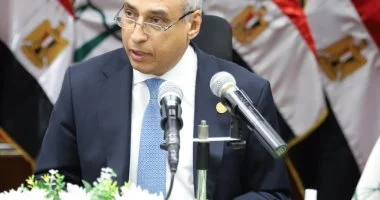
Supreme Administrative Court Approves New Judicial Year Work Distribution, Stresses Faster Appeals Decisions
Monday, September 7, 2026, 4:45 PM
The General Assembly of Egypt’s Supreme Administrative Court approved the work distribution for the new judicial year 2026/2027 during a meeting held Monday at the State Council headquarters in Dokki.
The meeting was chaired by Counselor Mahmoud Ibrahim Abou El-Dahab, President of the State Council and the Supreme Administrative Court.
Work Distribution for the New Judicial Year
The meeting included the distribution of judicial work among the court’s chambers for the new judicial year, while taking into account the preferences of members of the General Assembly and ensuring the smooth and regular administration of justice.
Counselor Mahmoud Ibrahim Abou El-Dahab welcomed the members of the General Assembly and congratulated them on the beginning of the new judicial year, wishing them continued success in carrying out their judicial responsibilities.
He also expressed his appreciation for their efforts during the previous judicial year, particularly the progress achieved in handling appeals and accelerating decisions.
Supreme Administrative Court Stresses Faster Appeals Decisions
The President of the State Council affirmed his commitment to continuing efforts to achieve swift and effective justice and to complete all pending cases before the Supreme Administrative Court’s chambers during the new judicial year.
He stressed the importance of expediting disputes in order to ensure timely justice for litigants while maintaining the highest standards of accuracy and professionalism.
Emphasis on Judicial Efficiency and Protecting Rights
At the conclusion of his remarks, the President of the State Council stressed the need for Supreme Administrative Court judges to continue performing their duties with precision and professionalism while ensuring the regularity of judicial work.
He emphasized continued efforts to strengthen the judiciary’s role in upholding justice and safeguarding rights, while supporting efficient case resolution.
اليوم الثامن مصدرك الاول لأخبار مصر العاجلة والحوادث والبرلمان وأسعار الأسواق تابع أخبار المحافظات والاسلاميات والمقالات لحظة بلحظة
© AD Brand. All Rights Reserved. Designed by Adbrand Agency
 حسين ابو العلا