Sunday, November 22, 2026 08:48 PM

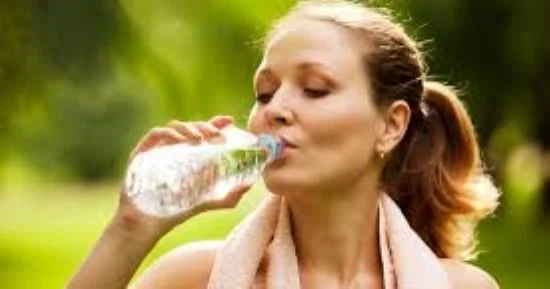
The body needs to replace fluids lost during physical activity to regulate its temperature and maintain efficient muscle function. However, drinking excessive amounts of water without considering individual needs is not always beneficial. In some cases, it can disrupt the balance of salts in the blood.
The timing and amount of water needed depend on exercise duration, intensity, weather conditions, and each person's sweating rate.
According to a report published by Verywell Health, there is no single amount of water that suits everyone during exercise. Hydration needs vary depending on environmental conditions and individual physiology.
General guidance recommends drinking according to thirst during shorter workouts, while taking small, regular sips during longer or more intense activities, particularly in hot weather.
If your workout lasts an hour or less and takes place in moderate weather, drinking when you feel thirsty is generally sufficient for most people. There is usually no need to follow a strict drinking schedule.
For longer or more strenuous workouts, or when exercising in hot and humid conditions, taking small sips every 15 to 20 minutes may be helpful. The amount should be adjusted according to sweating rate and individual needs.
A fixed rule requiring everyone to drink a specific amount every hour is not recommended because people lose different amounts of sweat, and hydration needs can change from one workout to another.
You can estimate your sweating rate using a simple method that involves measuring your body weight before and after exercise and recording how much fluid you consume during the workout.
Follow these steps:
You can then estimate your sweating rate using this formula:
Sweat rate in liters per hour = (Pre-exercise weight in kilograms - Post-exercise weight in kilograms + Fluid consumed in liters - Urine produced in liters) ÷ Exercise duration in hours.
This calculation helps you better understand your hydration needs. However, it does not mean that every drop of sweat must be replaced immediately.
Sweat production depends on more than exercise duration. Several factors can increase the body's hydration needs, including:
High temperatures: Exercising in hot weather increases the body's heat load, triggering sweating to help regulate body temperature.
High humidity: Humid conditions slow the evaporation of sweat, making it harder for the body to release heat.
Exercise intensity and duration: The harder or longer the workout, the more heat the body produces, potentially increasing sweat loss.
Heat acclimatization: As the body adapts to exercising in hot conditions, sweating may begin earlier and become more efficient, potentially increasing overall fluid loss.
Heavy clothing, protective equipment, and individual physiological differences can also affect fluid requirements.
Failing to replace lost fluids can lead to dehydration, which may affect physical performance and reduce the body's ability to exercise efficiently.
Possible warning signs include:
If these symptoms appear, pay attention to your body's condition and reduce exercise intensity when necessary while replacing fluids appropriately. Severe dizziness or worsening symptoms require stopping exercise and seeking medical evaluation.
Staying hydrated does not mean drinking as much water as possible. Consuming fluids faster than the kidneys can eliminate excess water may lead to a condition known as exercise-associated hyponatremia.
This condition occurs when blood sodium levels fall below 135 milliequivalents per liter because the amount of water in the body becomes excessive relative to sodium.
Warning signs may include:
Severe confusion, significant lethargy, or seizures require immediate emergency medical attention.
Most people do not need special sports drinks during short or low-intensity workouts because water is generally sufficient to replace lost fluids.
However, during prolonged or strenuous physical activity, particularly when exercise lasts more than 60 to 90 minutes in hot conditions, drinks containing electrolytes and carbohydrates may be beneficial.
Sodium is an important mineral lost through sweat, and replacing it helps support fluid balance. Carbohydrates provide an energy source for muscles during extended activity.
Nevertheless, electrolyte drinks do not prevent exercise-associated hyponatremia if someone consumes excessive amounts of fluids. They should not be considered permission to drink unlimited quantities.
Water requirements during exercise vary from person to person. There is no universal schedule or fixed amount that works for everyone.
Exercise duration, intensity, weather conditions, and sweating rate all play important roles in determining appropriate fluid intake.
The key is to avoid both extremes: allowing the body to become dehydrated and forcing it to consume excessive amounts of water.
Paying attention to thirst, exercise-related symptoms, and estimated sweating rates can help people make better hydration decisions and maintain a healthy fluid and electrolyte balance.
اليوم الثامن مصدرك الاول لأخبار مصر العاجلة والحوادث والبرلمان وأسعار الأسواق تابع أخبار المحافظات والاسلاميات والمقالات لحظة بلحظة
© AD Brand. All Rights Reserved. Designed by Adbrand Agency
 حسين ابو العلا