Saturday, November 28, 2026 02:24 AM

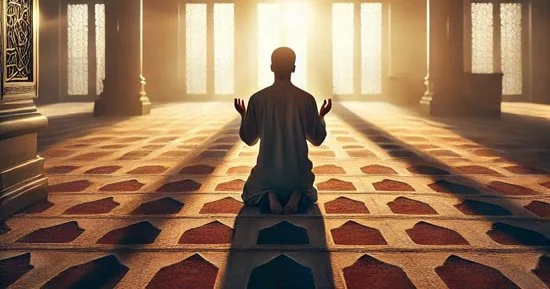
Muslims are keen to recite Fajr prayers on Friday, November 27, 2026, asking Allah for lawful provision, blessings, guidance, and relief from worries and hardships.
Many people make the most of the early morning hours through supplication, remembrance, and seeking forgiveness, hoping for a day filled with goodness, success, and peace of mind.
Supplication is one of the greatest ways to draw closer to Allah. Muslims turn to Him seeking guidance, support, and help in overcoming difficulties.
Among the prayers that can be recited at Fajr:
"O Allah, we ask You at the dawn of this day to make our affairs easy, open our hearts, grant us acceptance, contentment, success, and guidance. Guide us toward what You love and what is best for us."
Another supplication:
"O Allah, open our hearts, make our affairs easy, guide our hearts, and lead us toward goodness and righteousness. Fulfill our needs, relieve our worries, and answer our prayers through Your mercy."
Seeking lawful provision and blessings in money and work is among the most common requests in morning supplications.
"O Allah, grant us abundant provision, ease our circumstances, fulfill our needs, and answer our prayers. Surround our hearts, circumstances, and days with Your mercy and generosity."
Another prayer:
"O Allah, I entrust my affairs to You, for You are the best disposer of affairs. Guide my steps, open the doors of Your provision for me, grant me sustenance from where I do not expect, and bless what You have provided."
When difficulties increase, Muslims turn to supplication, asking Allah for patience, comfort, and relief.
"O Lord, with the beginning of this dawn, open the doors of goodness for us. Grant us success, contentment, peace, happiness, health, and well-being."
"O Allah, grant relief to everyone in distress, ease to everyone facing hardship, repayment to those in debt, happiness to those who are sad, healing to our sick, and mercy to our deceased."
At the beginning of a new day, Muslims ask Allah to improve their circumstances and guide them toward what is good.
"O Allah, change our circumstances for the better, grant us what You know is best for us, protect us from evil, and bless us with goodness, lawful provision, happiness, and success."
Muslims also remember their sick loved ones and those who have passed away in their supplications.
"O Allah, grant healing to every sick person, relief to every patient, mercy to the deceased Muslims, forgive them, illuminate their graves, and make Paradise their eternal home."
Alongside personal supplications, Muslims can recite prayers reported from Prophet Muhammad (peace be upon him), including:
A prayer for beneficial knowledge and lawful provision:
"O Allah, I ask You for beneficial knowledge, good provision, and accepted deeds."
It was narrated by Umm Salamah that the Prophet used to recite this supplication after the Fajr prayer.
A prayer for protection from worries and sadness:
"O Allah, I seek refuge in You from worry and sadness, weakness and laziness, cowardice and miserliness, the burden of debt, and being overpowered by others."
A prayer for forgiveness and well-being:
"O Allah, I ask You for forgiveness and well-being in this world and the Hereafter."
A prayer for guidance:
"O Allah, guide me and grant me correctness."
Muslims are encouraged to maintain the remembrances and supplications reported from the Prophet after obligatory prayers, while frequently remembering Allah and seeking His forgiveness, guidance, provision, and well-being.
It was narrated by Abdullah ibn Abbas that he could recognize the end of the Prophet's prayer through the recitation of Takbir, as reported in Sahih Muslim.
It was also narrated by Abu Umamah that the Messenger of Allah was asked which supplication was most likely to be answered. He replied: "During the last part of the night and after the obligatory prayers." This narration was reported by Al-Tirmidhi.
A Muslim does not have to follow one specific wording when making personal supplications. It is permissible to ask Allah for whatever goodness is needed in this life and the Hereafter, provided the supplication contains no sin or transgression.
اليوم الثامن مصدرك الاول لأخبار مصر العاجلة والحوادث والبرلمان وأسعار الأسواق تابع أخبار المحافظات والاسلاميات والمقالات لحظة بلحظة
© AD Brand. All Rights Reserved. Designed by Adbrand Agency
 حسين ابو العلا