Wednesday, November 25, 2026 02:57 PM

Wednesday, November 25, 2026 – 2:00 AM
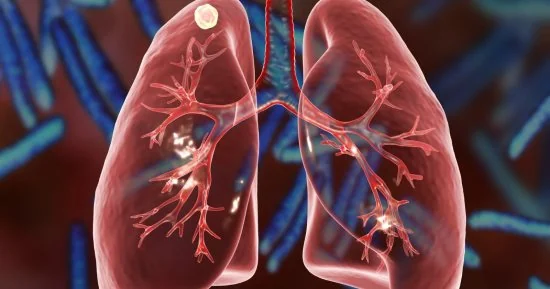
As air pollution levels continue to rise around the world, many people are drinking extra water in the belief that it helps the body eliminate toxins and pollutants that enter the lungs through breathing. While proper hydration is important for overall health and respiratory function, lung specialists emphasize that drinking more water does not remove harmful particles from the lungs or reverse the damage caused by polluted air, according to Times Now.
Some people believe that increasing water consumption helps flush pollutants and harmful substances out of the body. However, doctors explain that there is insufficient scientific evidence to support this claim.
Dr. Shivraj A.L., Senior Consultant and Head of Pulmonology at Aster Whitefield Hospital in India, explains that drinking enough water is essential for respiratory health, but it does not directly remove air pollutants or trapped particles from the lungs.
Dr. Mohana Krishnan, Senior Consultant in Pulmonology and Respiratory Medicine at Apollo Specialty Hospitals in Chennai, agrees, noting that while drinking water benefits overall health, it cannot eliminate particles or harmful gases that enter the respiratory system.
Fine particulate matter known as PM2.5 is among the most dangerous components of air pollution. Because of its extremely small size, it can penetrate deep into the lungs, and some particles may even enter the bloodstream and affect other organs.
According to Dr. Shivraj, these particles can cause respiratory inflammation, oxidative stress and irritation of the airways, increasing the health risks associated with prolonged exposure to pollution.
However, the body has a natural defense mechanism that helps clean the respiratory system, known as mucociliary clearance.
This system relies on a layer of mucus lining the airways to trap dust, particles and foreign substances. Tiny hair-like structures called cilia move the mucus upward toward the throat, where the body gets rid of it through coughing or swallowing.
Although water does not flush pollutants out of the lungs, maintaining proper hydration helps the respiratory system's natural cleaning mechanism function effectively.
Dr. Shivraj explains that consuming sufficient fluids helps maintain the normal consistency of mucus in the airways, preventing it from becoming too thick or dry and interfering with cilia movement.
However, there is an important difference between supporting a natural bodily function and trying to enhance it by drinking excessive amounts of water. Consuming more water does not necessarily improve the lungs' ability to remove pollutants.
The kidneys also filter the blood and eliminate certain waste products through urine, but this does not mean that drinking extra water can remove polluted particles already lodged in the lungs.
Excessive water consumption can lead to a condition known as hyponatremia, which occurs when the sodium concentration in the blood drops to abnormally low levels because of an excessive amount of water relative to sodium.
Symptoms may include:
Experts warn against following excessive hydration routines or drinking several liters of water in an attempt to detoxify the body.
Fluid requirements vary depending on age, physical activity, climate, diet and overall health.
Doctors recommend drinking water regularly throughout the day and responding to thirst. Soups and other beverages can also contribute to total fluid intake.
People with kidney or heart conditions, or those who have been medically advised to restrict fluids, should follow their doctor's instructions and avoid increasing water consumption without medical advice.
Pulmonology experts emphasize that reducing exposure to pollutants is more important than trying to eliminate them after they enter the respiratory system.
Important protective measures include:
People with asthma, chronic obstructive pulmonary disease (COPD) or chronic cough need to take extra precautions, particularly when pollution levels are high.
If coughing worsens or wheezing or shortness of breath develops, symptoms should not be ignored. Patients should follow their prescribed medications and consult a doctor if their condition does not improve.
اليوم الثامن مصدرك الاول لأخبار مصر العاجلة والحوادث والبرلمان وأسعار الأسواق تابع أخبار المحافظات والاسلاميات والمقالات لحظة بلحظة
© AD Brand. All Rights Reserved. Designed by Adbrand Agency
 حسين ابو العلا